Glucose Oxidase Powder: Specification Checklist for Baking Buyers
Compare glucose oxidase powder for baking with specs, dosage, QC checks, COA/TDS/SDS needs, pilot validation, and cost-in-use factors.
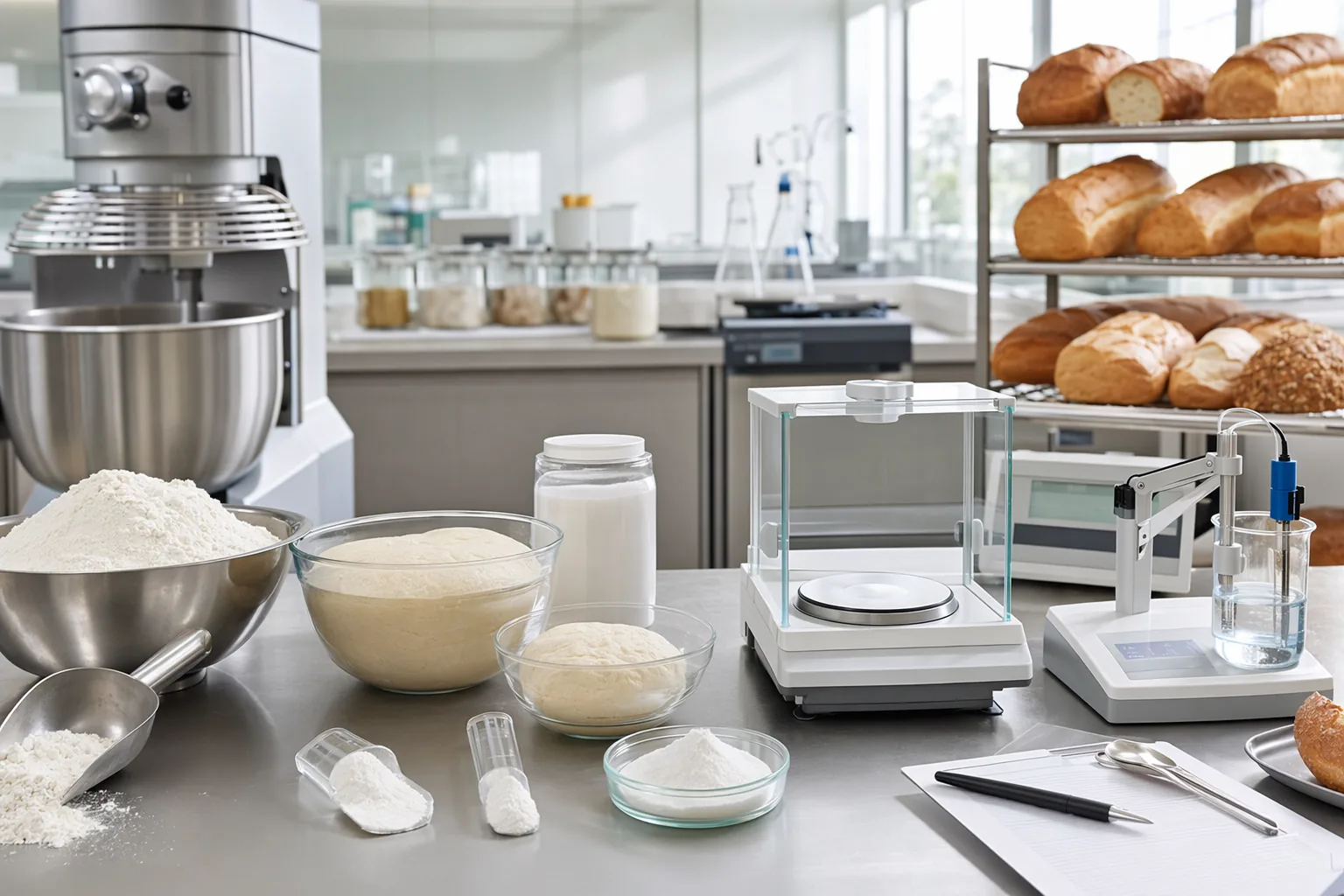
For bakery formulators and procurement teams, the best glucose oxidase powder is not simply the highest activity grade. It is the grade that performs consistently in your flour, process, label requirements, and cost model. Written for bakery manufacturers, flour mills and ingredient distributors buying glucose oxidase in bulk; grades and volumes are quoted per order.
Why Glucose Oxidase Powder Is Compared Differently in Baking
Glucose oxidase is an oxidoreductase enzyme that catalyzes the oxidation of glucose in the presence of oxygen, producing gluconic acid and hydrogen peroxide. In bakery systems, that controlled glucose oxidation can support dough strength by promoting oxidative effects in the gluten network. The result may be improved handling tolerance, loaf volume, crumb structure, and reduced stickiness, depending on flour quality and formulation. A baking-grade glucose oxidase powder should therefore be compared by functional performance, not only by enzyme activity on a certificate. The same GOx enzyme may perform differently in lean bread, sweet dough, frozen dough, and steamed products because water activity, sugar level, mixing intensity, yeast activity, and proofing time change oxygen availability. Buyers should also avoid confusing baking grades with diagnostic or laboratory grades, which may be optimized for purity and assay use rather than cost-effective processing.
Primary buyer question: does it improve dough performance at an economical dose? • Key chemistry: glucose oxidized by oxygen forms gluconic acid and hydrogen peroxide. • Best comparison: side-by-side pilot baking under the same flour, process, and dosage basis.
Core Specification Items to Request Before Sampling
A serious comparison starts with documents. Ask each supplier for a current technical data sheet, certificate of analysis, safety data sheet, allergen statement, recommended use level, storage conditions, and shelf-life basis. The COA should state enzyme activity with the assay method or unit definition, because glucose oxidase enzyme units are not always interchangeable across suppliers. Review the carrier or diluent, since maltodextrin, starch, salt, or other carriers affect flowability, dusting, dispersion, and declared activity per gram. Moisture matters for storage stability, while particle size influences blending uniformity in improver premixes. For food preservation or diagnostics, a different specification may be required; for baking, the practical focus is repeatable dough response, food-grade suitability, and predictable performance in existing processes. Supplier transparency on production organism, residual activity, and change-control practices is also important for long-term qualification.
Required documents: COA, TDS, SDS, allergen statement, shelf-life and storage guidance. • Confirm whether activity is expressed as U/g, GODU/g, or another supplier-defined unit. • Check carrier composition for compatibility with premixes, labels, and dust-control systems. • Ask how specification changes and production site changes are communicated.
Process Conditions for Baking Trials
Most bakery applications evaluate glucose oxidase powder in dough systems around pH 4.5-6.5, with mixing and fermentation temperatures commonly in the 20-40°C range. Enzyme activity can continue during mixing, resting, and proofing, then decline as baking temperatures rise and proteins denature. A practical screening range for commercial powders is often 5-100 mg/kg flour, but the correct range depends on the declared activity, carrier, flour strength, oxidant use, and target product. Overdosing may create dough that is too tight, dry, or resistant to expansion, while underdosing may show little benefit. Run a control, a low dose, a midpoint, and a high dose against the same flour lot. If the formula includes ascorbic acid, emulsifiers, xylanase, amylase, or reducing agents, test the full enzyme system rather than glucose oxidase in isolation.
Suggested pilot matrix: control, low, medium, and high dose based on supplier activity. • Typical dough pH evaluation window: 4.5-6.5. • Typical process temperature window before baking: 20-40°C. • Monitor for over-oxidation: tight dough, reduced expansion, or dry eating quality.
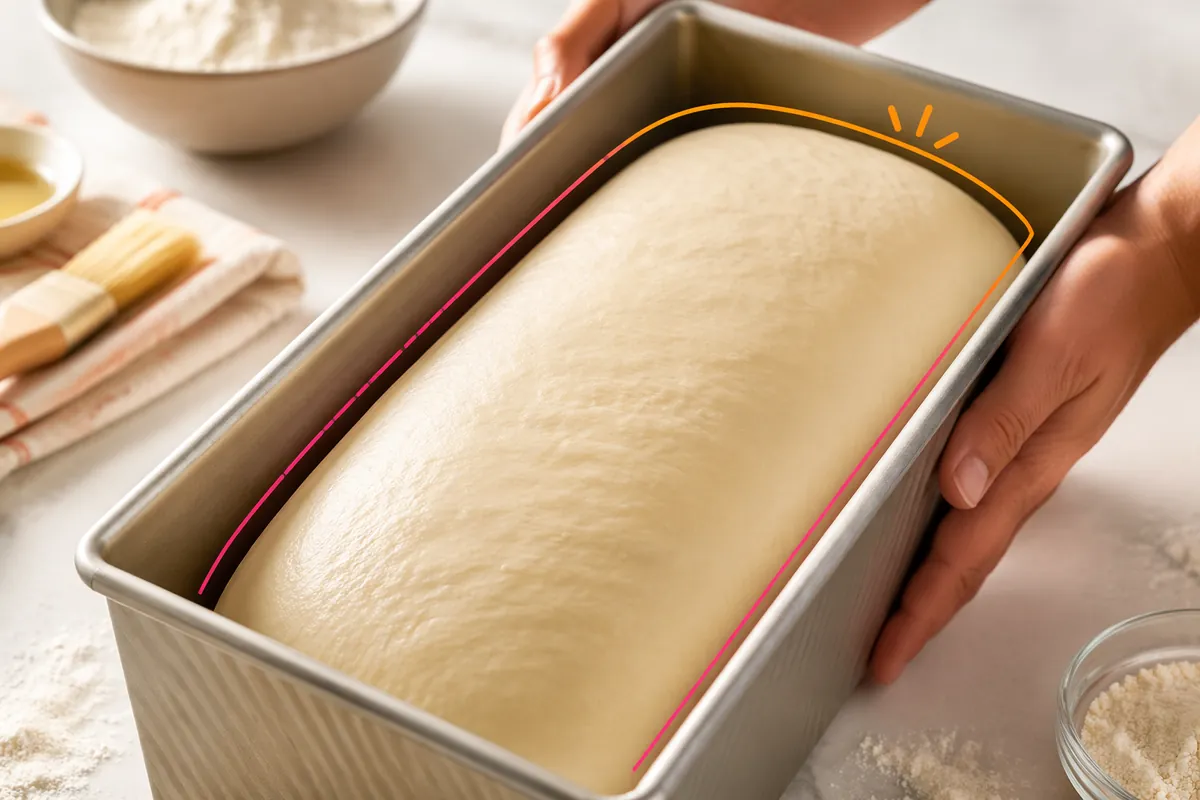
QC Tests That Separate Similar-Looking Grades
Two glucose oxidase powder samples can look similar on price and activity but behave differently in production. Quality control should include incoming identity, activity confirmation if you have an internal or third-party assay, moisture, appearance, odor, bulk density, and dispersion checks. For food plants, microbiological limits should be reviewed against your internal requirements and market rules. In application testing, measure farinograph or mixograph response if available, dough stickiness, proofing tolerance, loaf volume, crumb grain, sliceability, and sensory attributes. Finished product evaluation is essential because oxidation of glucose changes dough chemistry, but the commercial target is consistent bread quality. Keep records by flour lot, water absorption, mixer energy, fermentation time, and ambient conditions. These details help distinguish enzyme variation from normal bakery process noise and support a fair supplier comparison.
Incoming QC: appearance, moisture, activity, lot traceability, and microbiology review. • Application QC: dough strength, stickiness, proof tolerance, loaf volume, and crumb structure. • Compare on equal activity basis where possible, not only equal powder weight. • Retain pilot samples and baking records for supplier qualification files.
Cost-in-Use and Supplier Qualification
The lowest price per kilogram is not always the lowest-cost glucose oxidase powder. Cost-in-use should account for enzyme activity, effective dosage per tonne of flour, losses in premix handling, shelf-life, technical support, delivery reliability, and the value of reduced formulation complexity. A concentrated grade may cost more per kilogram but less per batch if it delivers the same dough effect at a lower inclusion rate. Qualification should include at least one lab-scale screen, a pilot run, and a controlled plant trial before full conversion. Procurement should confirm lead time, minimum order quantity, packaging format, lot consistency, and documentation response speed. Technical teams should confirm that the supplier can explain assay variability, recommend dosage adjustment, and support troubleshooting without making unverifiable performance claims. The final buying decision should balance performance, documentation, risk, and total cost.
Calculate cost per tonne of flour treated, not only price per kilogram of enzyme. • Include handling losses, shelf-life, packaging size, and inventory turnover. • Qualify suppliers through documentation review, pilot validation, and plant trial approval. • Set agreed specifications and change-notification expectations before recurring purchase.
Catalog reagent listings versus industrial baking grades
Buyers often use a laboratory catalog listing as a technical reference before sourcing an industrial baking enzyme. That comparison is useful, but the purchasing criteria differ. Reagent-grade glucose oxidase is selected for analytical consistency, while a baking plant needs repeatable dough functionality, food-use documentation, scalable supply and economical dosing. A catalog entry can help confirm identity, source and assay style; it is not a production specification. Verify the declared source on the supplier's TDS and COA rather than assuming equivalence from a catalog name, and ask for the assay pH, temperature, substrate concentration and calculation behind the activity figure, because one supplier's unit definition may not match another's.
Use a catalog listing as a reference point only • Request COA, TDS, SDS, dosage guidance and samples from any supplier considered for production • Compare offers at equal activity in the same flour and process
Technical Buying Checklist
Use this list before you request samples or a quote.
Grade: baking grade, not diagnostic or laboratory grade, compared by dough performance rather than activity on a certificate alone. • Activity basis: activity on the COA with its assay method or unit definition. • Form: carrier or diluent (maltodextrin, starch, salt), moisture, and particle size for blending into improver premixes. • Documents: TDS, COA, SDS, allergen statement, recommended use level, storage conditions and shelf-life basis. • Trial: dough pH around 4.5-6.5, mixing and fermentation at 20-40°C, screening about 5-100 mg/kg flour as control, low, midpoint and high dose on one flour lot, with ascorbic acid, emulsifiers, xylanase or amylase tested as the full system. • Incoming QC: identity, activity confirmation, moisture, appearance, odor, bulk density and dispersion. • Purchase terms: cost-in-use per tonne of flour, lead time, minimum order quantity and packaging format.
For a wholesale quote, send the grade, the quantity per order or per year and the destination country; volumes and freight are quoted per order.
Buyer Questions
Compare suppliers through documents, analytical specs, and baking performance. Start with COA, TDS, SDS, allergen statement, activity method, carrier, shelf life, and storage conditions. Then test equivalent activity levels in the same flour and process. The preferred glucose oxidase powder should deliver consistent dough improvement, acceptable handling, reliable documentation, and the best cost-in-use after pilot validation.
A practical screening range for many commercial baking powders is about 5-100 mg/kg flour, but the right dose depends on activity, carrier, flour quality, formula, and the presence of other improvers. Always start from the supplier’s recommended level and test a control, low, medium, and high dosage. Overdosing can make dough too tight or reduce expansion.
Buyers sometimes type “glucose glucose oxidase” when they are looking for the relationship between the substrate and the enzyme. The enzyme glucose oxidase acts on glucose when oxygen is available. For procurement, the useful question is whether the specific glucose oxidase powder gives the required dough strength and finished product quality at a controlled, economical dose.
Not necessarily. Diagnostics applications may require specifications focused on analytical purity, defined interferences, and reagent consistency. Baking applications normally prioritize food suitability, powder handling, cost-in-use, and repeatable dough performance. A supplier may offer different grades for baking, food preservation, or diagnostics, so buyers should state the intended application and request the appropriate documentation package.
Glucose Oxidase for Research & Industry
Need Glucose Oxidase for your lab or production process?
ISO 9001 certified · Food-grade & research-grade · Ships to 80+ countries
Frequently Asked Questions
How should a bakery compare glucose oxidase powder suppliers?
Compare suppliers through documents, analytical specs, and baking performance. Start with COA, TDS, SDS, allergen statement, activity method, carrier, shelf life, and storage conditions. Then test equivalent activity levels in the same flour and process. The preferred glucose oxidase powder should deliver consistent dough improvement, acceptable handling, reliable documentation, and the best cost-in-use after pilot validation.
What dosage of glucose oxidase is typical for bread trials?
A practical screening range for many commercial baking powders is about 5-100 mg/kg flour, but the right dose depends on activity, carrier, flour quality, formula, and the presence of other improvers. Always start from the supplier’s recommended level and test a control, low, medium, and high dosage. Overdosing can make dough too tight or reduce expansion.
What does “glucose glucose oxidase” usually mean in supplier searches?
Buyers sometimes type “glucose glucose oxidase” when they are looking for the relationship between the substrate and the enzyme. The enzyme glucose oxidase acts on glucose when oxygen is available. For procurement, the useful question is whether the specific glucose oxidase powder gives the required dough strength and finished product quality at a controlled, economical dose.
Can the same GOx enzyme grade be used for baking and diagnostics?
Not necessarily. Diagnostics applications may require specifications focused on analytical purity, defined interferences, and reagent consistency. Baking applications normally prioritize food suitability, powder handling, cost-in-use, and repeatable dough performance. A supplier may offer different grades for baking, food preservation, or diagnostics, so buyers should state the intended application and request the appropriate documentation package.
Wholesale Glucose Oxidase: Request a Quote
For manufacturers, distributors and resellers: send the application, the quantity and the destination country for a quote. Turn This Guide Into a Supplier Brief Request a baking-grade glucose oxidase powder comparison checklist and pilot-trial support from EnzymeFocus. See our application page for Glucose Oxidase Method Reagent for Oxidation Control at /applications/glucose-oxidase-method-peroxidase/ for specs, MOQ, and a free 50 g sample.
Contact Us to Contributehello@mail.enzymefocus.com